
International travel burnout is something most people experience without realizing it has a name. It often shows up as exhaustion, frustration, or a lack of excitement before the trip even begins. Learning how to plan international trips in a way that protects your energy can completely change how you experience travel.
This approach is not about doing less for the sake of it. It is about planning smarter, pacing yourself realistically, and creating trips that feel sustainable from start to finish.
What Travel Burnout Actually Looks Like
Travel burnout is not about long flights or airport security lines. It is about mental overload, decision fatigue, and unrealistic pacing. In most cases, travel burnout starts before you ever book the flight.
There are two types of burnout that impact international travelers: planning burnout and on-the-ground travel burnout.
Planning burnout shows up first. It happens during the research phase, when too many options, opinions, and recommendations start to drain the excitement out of the trip. Many travelers burn out before they ever leave home.
On-the-ground burnout happens during the trip itself. This is the physical and mental exhaustion caused by overpacked itineraries, frequent hotel changes, and a lack of rest. Both types of burnout are common, avoidable, and almost always tied to how the trip is planned.
The Two Types of Burnout That Ruin International Trips
Planning Burnout
Planning burnout is caused by endless, unfocused research. When planning an international trip, it is easy to fall into the trap of consuming too much content. Every blog post adds another must-see attraction. Every video makes something else feel essential.
This leads directly to decision paralysis. When everything looks exciting, choosing what to actually do becomes stressful instead of fun. The planning process starts to feel overwhelming, and in some cases, travelers delay booking or lose interest in the trip altogether.
On-the-Trip Burnout
On-the-ground travel burnout comes from trying to do too much, too fast. Overstuffed days, early mornings, and constant movement quickly wear you down, especially when time zone changes are involved.
Moving cities every one or two nights adds another layer of fatigue. Packing and unpacking repeatedly prevents you from ever feeling settled. Without built-in recovery time, exhaustion takes over, and many travelers feel guilty for slowing down or skipping plans. That guilt turns rest into stress.
Why Most International Trip Planning Advice Makes Burnout Worse
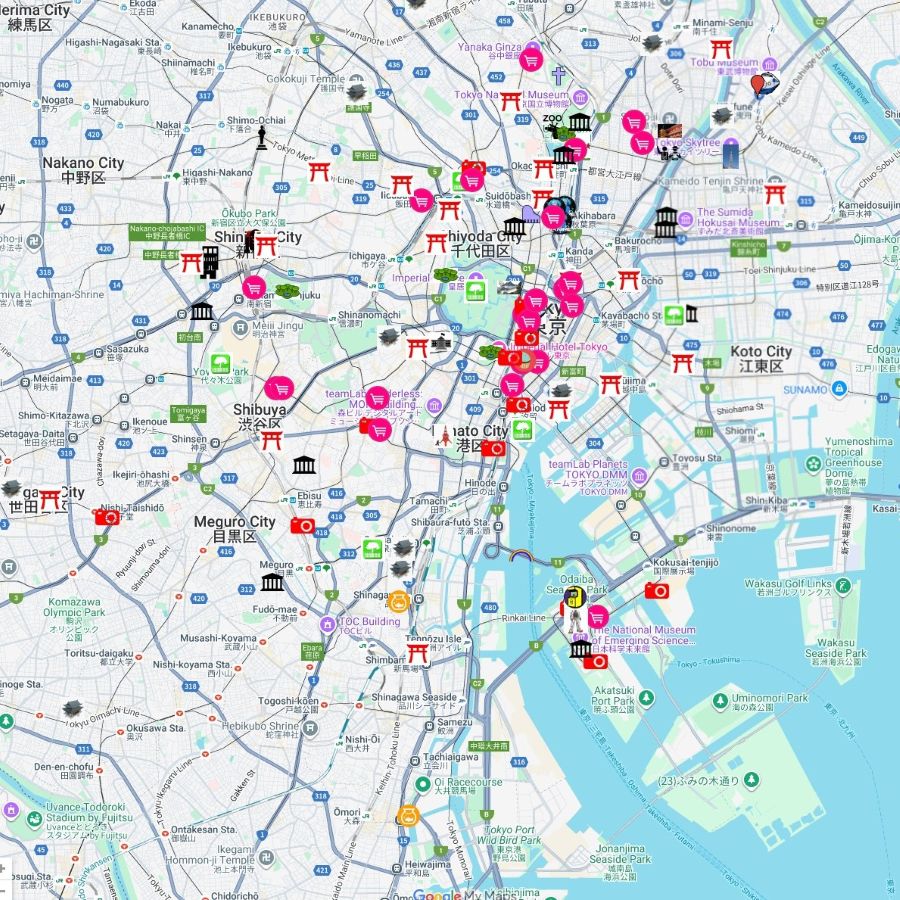
Most international trip itineraries found online are built around a see-everything mindset. They are designed to look impressive, not to support real travel conditions.
Many itineraries assume early mornings every day, nonstop sightseeing, and frequent hotel changes. Some attempt to cover an entire country in just a few days. While these plans may perform well online, they require a level of endurance that most travelers do not want or need.
This type of advice prioritizes clicks over sustainability and often leads directly to travel burnout.
My Philosophy for Planning International Trips
After years of international travel, I no longer treat trips like a checklist. Travel is an experience, not a competition.
I plan around energy instead of efficiency. How I feel during the trip matters more than how many attractions I see. Rest is not something you earn after exhaustion. It is part of the plan from the beginning.
This mindset shift alone has eliminated most of the burnout I used to experience, both during planning and while traveling.

The Planning System I Use to Avoid Burnout
I limit how much I plan each day on purpose. My rule is no more than three planned items per day, with only one considered a major activity.
Anything beyond that goes onto a separate list of optional gap fillers. These are activities I can add if I have extra time or energy. Planning just over half a day of activities leaves room for flexibility and prevents mental overload.
Planning Around Energy, Not Attractions
I group activities by location and energy level instead of importance. Each group gets a simple energy rating.
On the day itself, I choose activities based on how I feel rather than following a rigid schedule. This approach works especially well when traveling with a partner. A quick check-in on energy levels makes decision-making easier and keeps the day enjoyable.
Building White Space Into Every Trip
White space is non-negotiable in my itineraries. About every four days, I schedule a full rest day with no plans at all.
Even on sightseeing days, planning only half a day of activities creates a consistent rhythm. Returning to the hotel around the same time most days adds a sense of normalcy, which helps reduce travel fatigue.
Choosing Fewer Cities and Staying Longer
Constantly living out of a suitcase is one of the fastest ways to burn out. I prefer choosing one or two base cities and exploring nearby destinations through day trips.
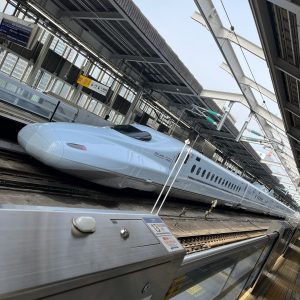
Japan is a good example of this approach. Osaka works as a central hub, allowing easy day trips to Kyoto, Kobe, Nara, Himeji, Okayama, and Hiroshima via bullet trains. Staying longer in one place makes international travel feel sustainable instead of exhausting.
My Personal Rules for Burnout-Free International Travel
Rule 1: Limit Daily Plans
No more than one major activity per day and no more than three total planned items.
Rule 2: Stay Put Longer
Avoid hotel stays shorter than three nights whenever possible.
Rule 3: Protect Your Mornings
No early mornings on back-to-back days.
Rule 4: Schedule Real Rest
Include at least one do-nothing afternoon or full rest day every few days.
Rule 5: Trust the Feeling
If you feel rushed, the plan is wrong.
These rules act as guardrails. They keep planning simple, protect energy during the trip, and make international travel feel sustainable instead of exhausting.
How This Planning Style Changes the Actual Trip
When you plan with energy and pacing in mind, the entire trip feels different. You are more present because you are not constantly watching the clock or worrying about what comes next.
Meals improve because you are not rushing from one attraction to another. You have time to sit, enjoy the food, and discover places organically instead of relying solely on reservations and schedules.
Spontaneous moments happen more often. You say yes to a walk, a coffee stop, or an unexpected recommendation because your day is not already maxed out.
Most importantly, you come home tired in a normal way, not completely wrecked. The trip adds memories and perspective without requiring weeks of recovery afterward.
Who This Style of Travel Is (and Isn’t) For
This planning style works especially well for travelers who take a few international trips a year and want each one to feel meaningful.
It is ideal for people with limited PTO who want to enjoy their time off instead of recovering from it. It also suits travelers who value comfort, good food, and experiences over checking off attractions.
This approach is probably not for speed travelers or those focused on counting countries. If you enjoy chaos, constant movement, and packed schedules from morning to night, this style may feel too slow.
Final Thoughts: Travel Should Add Energy, Not Drain It
International travel does not have to be exhausting to be rewarding. Burnout is not a sign that you are traveling wrong. It is usually a sign that the pace is off.
With the right planning approach, travel can feel grounded, enjoyable, and sustainable. The goal is not to see everything. The goal is to come home feeling like the trip gave you something back.